How Israel's health system works
Everyone in Israel has health insurance
Since 1995, Israel's law has covered every resident. Seeing a family doctor costs nothing, and what chronic patients pay for medicine is capped. Here is how it works, from official sources.
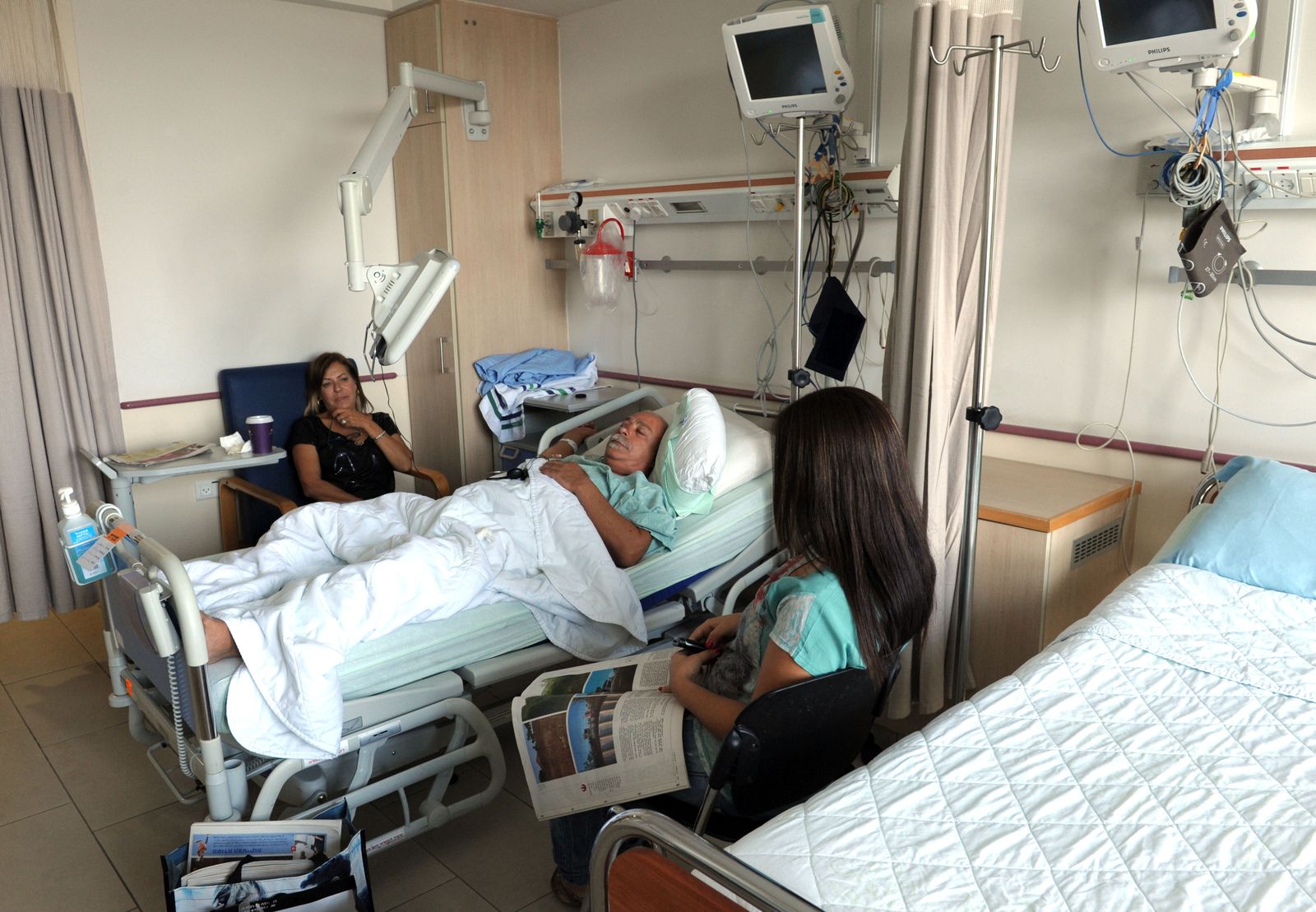
- 1995since every resident has been covered by law
- $0to see a family doctor
- $143a month at most for all of a chronic patient's basket medicines (Leumit)
- $39.52a month: the health tax for a resident with no income
Everyone is covered
Under the State Health Insurance Law, in force since Jan 1, 1995, every Israel resident has health insurance. Coverage comes with residency, not with a job or an employer. (Bituach Leumi)
Every resident registers with a health fund (kupat holim) of their choice, and every fund must provide the same basket of services defined by law. The Ministry of Health and the Ministry of Finance decide which medicines are in the basket. (Bituach Leumi) (Maccabi)
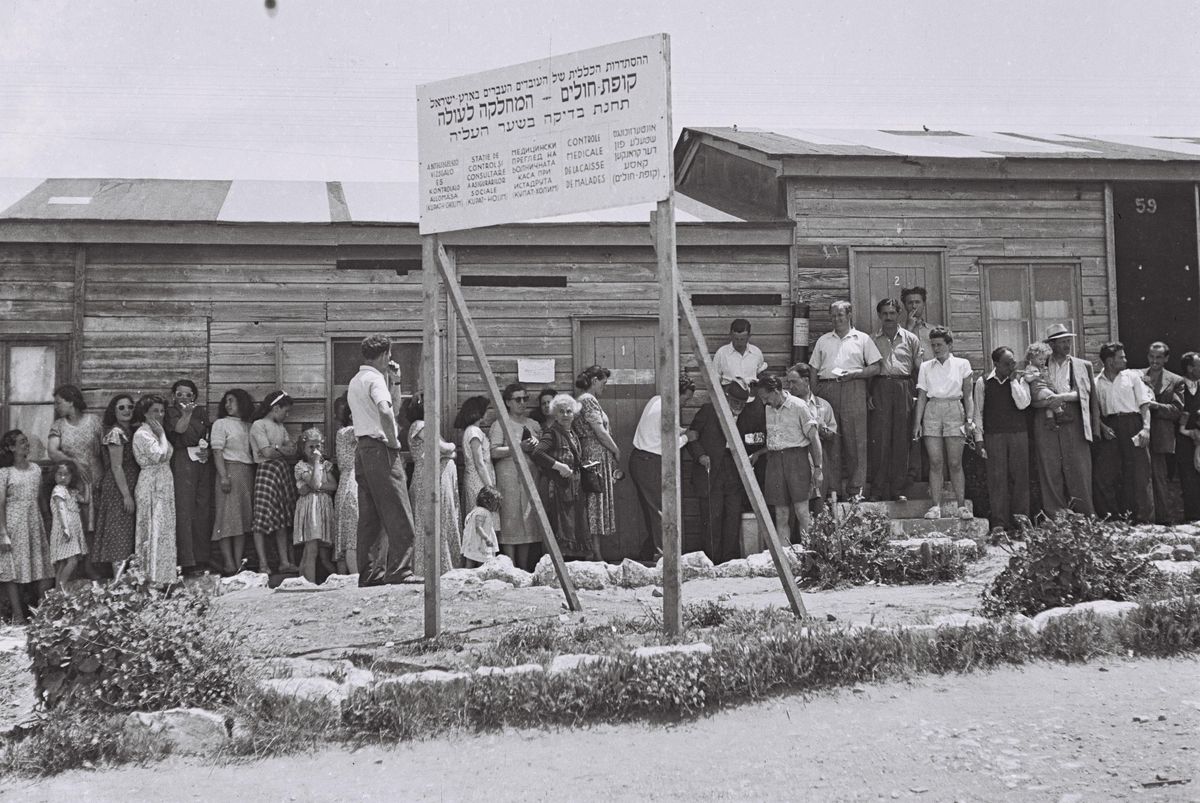
Chronic patients: a cap on what medicine costs
- Who counts as chronic: anyone diagnosed with a condition the law defines as chronic, anyone taking a medicine defined as chronic, or anyone who has taken a medicine regularly for six months. (Leumit)
- The cap covers every basket medicine, not only those for the chronic condition. (Maccabi)
- Retirees on income support pay half the cap: about $71.38 a month. (Leumit, Jul 1, 2026)
- Severe illnesses: people on dialysis or with cancer, HIV, cystic fibrosis, hemophilia, thalassemia, Gaucher disease or tuberculosis pay nothing for the medicines for their illness. (Leumit)
- Below the cap, prescriptions are cheap too: a basket medicine priced between ₪20.80 and ₪156.30 costs a flat ₪20.80 (about $6.68). (Leumit, Jul 1, 2026)
Not the same scope: the US limit covers all in-network deductibles, co-payments and coinsurance; Israel's cap covers medicines and medical supplies, and doctor visits have their own small caps (below). Each health fund sets its own cap; the figure shown is Leumit's.
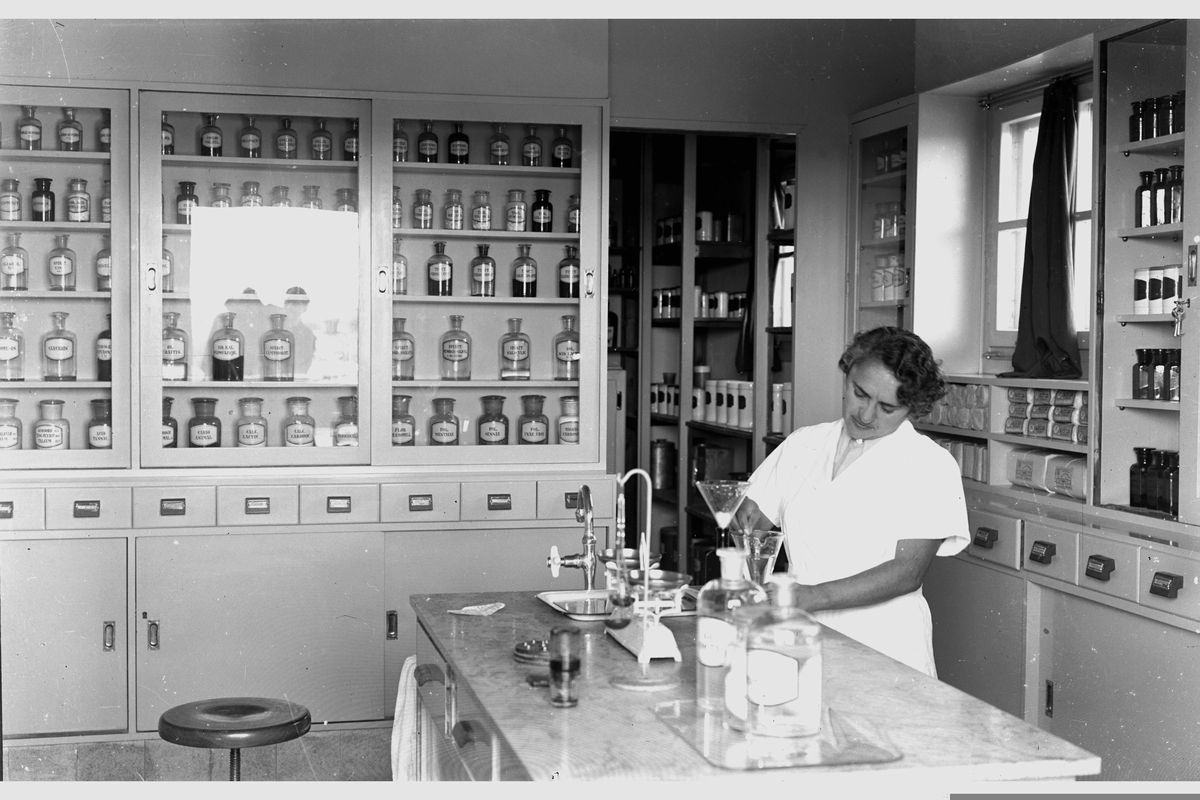
Seeing a doctor
- Family doctor: free. A visit to a family doctor, internist, pediatrician or women's-health doctor (primary care) costs nothing. (Maccabi)
- Specialists: a flat ₪33 to ₪41 per specialist per quarter, depending on the fund (about $10.60 to $13.17). (Maccabi, Jan 2026) (Leumit, Jul 1, 2026)
- A family cap: all co-payments for medical services in the basket are capped at ₪257 to ₪313.40 per family per quarter (about $82.58 to $101), and less for seniors and for new immigrants in their first year. (Maccabi, Jan 2026) (Leumit, Jul 1, 2026)
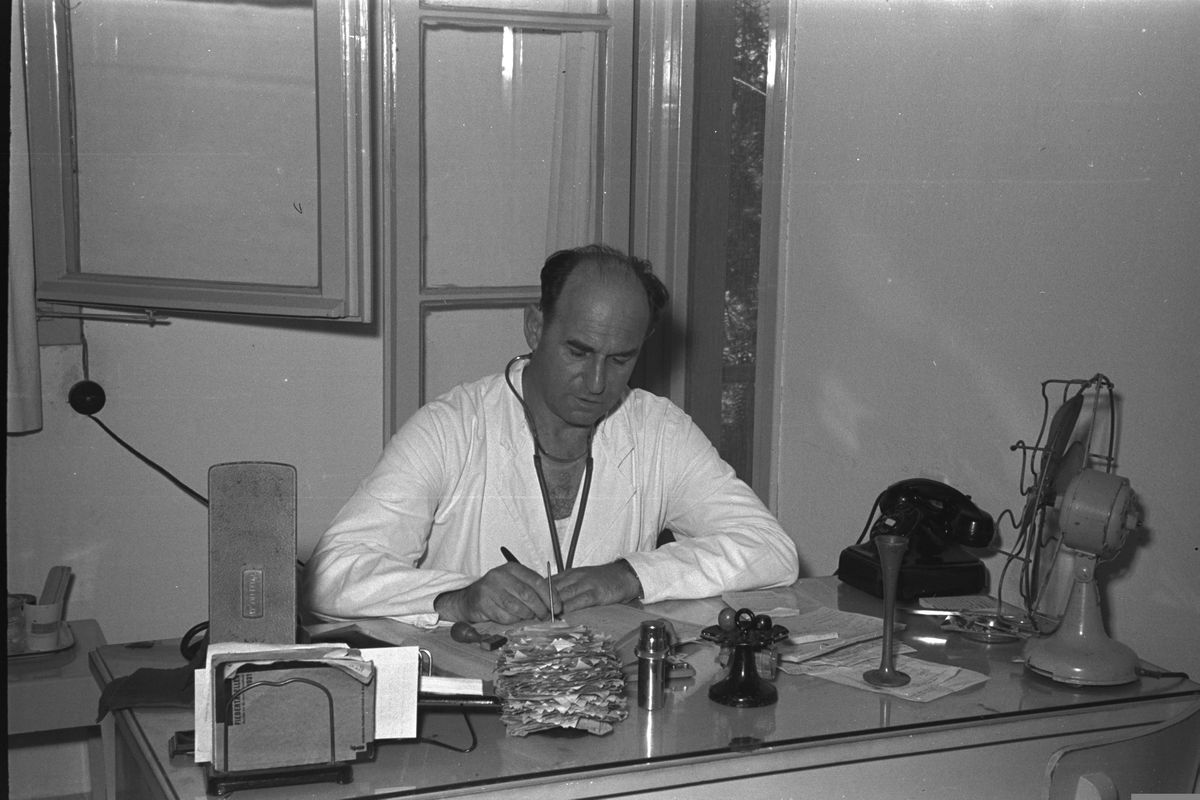
How it's paid for: a health tax, not premiums
Instead of premiums, residents 18 and over pay a health tax to the National Insurance Institute (Bituach Leumi), together with their national insurance contributions. Children don't pay, and neither does a married woman who doesn't work and whose spouse is insured. (Bituach Leumi)
- Employees pay 3.23% of their wage up to ₪7,703 a month and 5.17% above that (rates as of Jan 01, 2026). On the average wage of ₪14,534, that is ₪601.97 a month, about $193. (Bituach Leumi)
- Residents with no income pay a minimum of ₪123 a month (about $39.52). (Bituach Leumi, Jan 1, 2026)
- Many people also buy an optional supplementary plan from their fund. With one, an employee on the average wage pays $215 a month in total: the figure this site compares with US premiums.
What isn't free
- Specialist visits, tests and most medicines carry co-payments, capped as described above.
- Everyone 18 and over pays the health tax, whether or not they use care.
- Health funds sell supplementary plans for services beyond the basket. (Maccabi)
How does Israel compare with your state? See the monthly cost next to the health insurance premium in every US state.
Sources
- National Insurance Institute (Bituach Leumi): What is the State Health Insurance Law?
- National Insurance Institute (Bituach Leumi): Health insurance contributions
- National Insurance Institute (Bituach Leumi): Health insurance rates
- Maccabi Healthcare Services: co-payments, caps and exemptions (Hebrew, updated January 2026)
- Maccabi Healthcare Services: medicines for chronic patients (Hebrew)
- Leumit Health Services: co-payments, caps and exemptions (Hebrew, as of July 1, 2026)
- Maccabi Healthcare Services: National healthcare and our services
- HealthCare.gov: Out-of-pocket maximum/limit
Facts checked Oct 23, 2026. Shekel amounts are as published; dollars at the Bank of Israel rate of ₪3.112 per $1 (Oct 23, 2026). Health-tax figures come from the same data as the rest of the site and update automatically.
Photos: Government Press Office (GPO), National Photo Collection, used under its terms of use. Free to use with the photographer's name and the Government Press Office credited next to the photo; not for commercial advertising or party-political use; no changes except technical ones (these are resized only).